The global agricultural sector is under unprecedented pressure. Climate change brings volatile weather, water scarcity intensifies, and the demand for sustainable, high-yield production grows. In this challenging landscape, a humble yet transformative tool is gaining center stage: agriculture nets. Far more than simple coverings, these specialized nets are evolving into critical precision agriculture technologies, driving a market poised for significant growth.
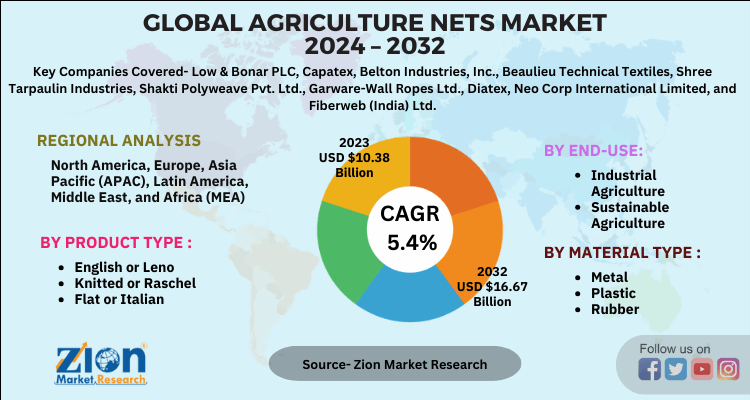
Market Overview: A Field of Growth
The global agriculture nets market is experiencing robust expansion, projected to grow at a Compound Annual Growth Rate (CAGR) of approximately 6-8% over the next decade. Valued at several billion dollars, this growth is fueled by the urgent need to enhance crop quality, optimize resource use, and mitigate environmental risks. The market encompasses a wide range of products, primarily segmented by type and application.
Key Product Types: More Than Just Shade
-
Shade Nets: The dominant segment, used to control sunlight exposure, reduce heat stress, and prevent sunburn in high-value crops like fruits, vegetables, and flowers. They are essential for nursery cultivation and in regions with intense solar radiation.
-
Anti-Hail & Bird Protection Nets: Crucial for safeguarding orchards and vineyards from physical damage, these durable nets are a direct insurance policy against weather and wildlife, dramatically reducing pre-harvest losses.
-
Windbreak Nets: Used to minimize mechanical damage and soil erosion caused by strong winds, creating a microclimate conducive to plant growth and pollination.
-
Anti-Insect Nets (Bug Nets): A cornerstone of Integrated Pest Management (IPM), these fine-mesh nets form a physical barrier against insects, drastically reducing the need for chemical pesticides and enabling residue-free cultivation.
-
Mulch Nets & Cover Nets: Used for weed suppression, soil moisture retention, and temperature regulation.
Primary Applications: From Open Fields to Controlled Environments
-
Greenhouses & Nurseries: The largest application sector, where nets are integral for climate control, pest exclusion, and shading.
-
Horticulture & Orchards: High-value fruits, berries, and vineyards rely heavily on protection nets.
-
Animal Husbandry & Aquaculture: Used as fencing, bird nets for fish ponds, and shading for livestock.
-
Open Field Farming: Increasingly adopted for row crops to protect against pests and extreme weather.
Driving Forces: Why the Market is Blossoming
-
Climate Change Imperatives: Unpredictable hail, heatwaves, and heavy rains make protective nets a cost-effective risk management tool.
-
Rise of Protected Cultivation: The global shift towards greenhouse and polyhouse farming to ensure year-round, climate-independent production.
-
Consumer Demand for Safe Food: Growing aversion to pesticide residues is pushing farmers towards non-chemical pest control solutions like anti-insect nets.
-
Water Scarcity & Efficiency: Shade and mulch nets significantly reduce evapotranspiration, conserving vital water resources—a key factor in arid regions.
-
Government Support & Subsidies: Many governments promote protected cultivation through subsidies, recognizing its role in food security and sustainability.
-
Technological Advancements: Development of UV-stabilized, durable, and photo-selective nets (which filter specific light spectra to influence plant growth) is creating premium product segments.
Material Trends: Durability and Sustainability
High-Density Polyethylene (HDPE) remains the material of choice due to its strength, UV resistance, and lightweight properties. There is a growing trend towards:
-
Recyclable and Bio-based Polymers: Addressing end-of-life environmental concerns.
-
Enhanced Additives: For longer lifespan (up to 10+ years) and specific properties like anti-drip or light diffusion.
Regional Landscape: Where Growth is Rooted
-
Asia-Pacific: The fastest-growing market, led by China, India, and Japan. Massive populations, rising greenhouse areas, and government initiatives to boost horticulture are key drivers.
-
Europe: A mature market with high adoption, driven by advanced greenhouse industries in the Netherlands, Spain, and Italy, and strict regulations on pesticide use.
-
North America: Steady growth focused on high-value berries, vineyards, and controlled environment agriculture (CEA).
-
Rest of the World: Significant potential in arid Middle Eastern and African countries, where nets are vital for water conservation and sun protection.
Challenges and Constraints
-
High Initial Investment: For large farms, the upfront cost can be a barrier.
-
Lack of Awareness: Among smallholder farmers about the long-term ROI and benefits.
-
Disposal of Plastic Nets: Environmental concerns regarding plastic waste are pushing the industry towards improved recycling programs and biodegradable research.
-
Labor-Intensive Installation: Especially for seasonal netting in orchards.
The Future Horizon: Smart and Connected Nets
The future lies in integration with AgriTech. We are moving towards:
-
Sensor-Integrated Nets: Nets with built-in sensors to monitor microclimate conditions.
-
Automated Deployable Systems: Motorized netting systems triggered by weather forecasts.
-
Advanced Photoselective Materials: Precisely engineered to manipulate plant morphology, flowering, and yield.
Read More-
https://www.zionmarketresearch.com/de/report/payment-orchestration-platform-market
https://www.zionmarketresearch.com/de/report/vibrating-mesh-nebulizer-market
https://www.zionmarketresearch.com/de/report/agriculture-nets-market
https://www.zionmarketresearch.com/de/report/rheumatology-therapeutics-market
https://www.zionmarketresearch.com/de/report/fungicides-market
Conclusion
The agriculture nets market is no longer a peripheral niche but a central pillar of resilient and intelligent farming. As the world grapples with the dual challenges of productivity and sustainability, these nets offer a pragmatic, scalable solution. From protecting a single row of strawberries from birds to enabling vast greenhouse complexes in deserts, agriculture nets are quietly weaving a stronger, more secure future for global food systems. For investors, innovators, and farmers alike, this is a field ripe with opportunity.
